
 Available in US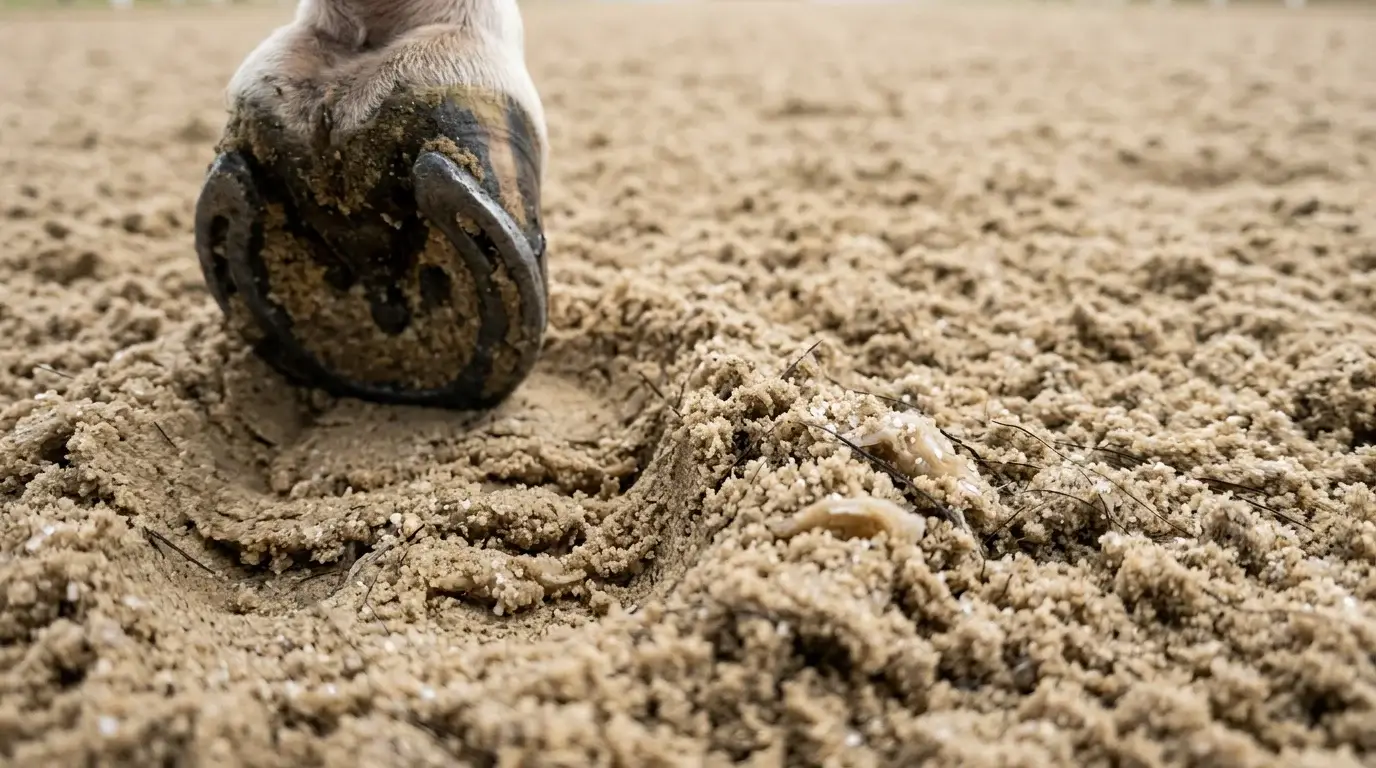
British all-weather racing operates across multiple synthetic surface types, with Tapeta and Polytrack representing the two dominant technologies. Understanding the differences between these surfaces matters for form analysis, as horses do not always transfer their abilities seamlessly from one surface type to another. What works at Newcastle’s Tapeta may not reproduce at Lingfield’s Polytrack, and vice versa.
The distinction goes beyond mere branding. Each surface comprises different materials combined in proprietary ratios, creating different riding characteristics that affect how horses run. Research by Tapeta Footings indicates their surface produces approximately 50% less concussion impact compared to dirt tracks, a safety advantage that has driven adoption. Newcastle operates the largest synthetic racecourse in the world, combining a straight mile with a 1 mile 7 furlong oval circuit, all surfaced with Tapeta.
What follows examines both surfaces in detail, helping punters understand when form should transfer between venues and when surface-specific factors might alter expectations.
Tapeta vs Polytrack — More on this topic at newcastle horse racing results.
Composition Differences
Both Tapeta and Polytrack belong to the synthetic surface family, using combinations of sand, fibres, and binding agents to create consistent, draining racing surfaces. The specific recipes differ, however, and these differences affect how each surface rides.
Tapeta Composition
Tapeta consists primarily of silica sand combined with wax coating, rubber components, and synthetic fibres. The wax binding helps maintain consistency across weather conditions, preventing the surface from becoming too loose when dry or too holding when wet. The rubber elements provide cushioning that reduces impact on horses’ legs, contributing to the safety profile that Tapeta promotes.
The manufacturing process controls particle sizes and distribution precisely, aiming for uniform behaviour across the entire track. Maintenance involves regular harrowing to prevent compaction and occasional addition of surface materials to replace what normal use degrades over time.
Polytrack Composition
Polytrack uses a similar conceptual approach with different specific materials. The surface combines silica sand with polypropylene fibres, rubber granules, and a wax-based coating system. The fibre blend differs from Tapeta, affecting how the surface binds together and how it responds to impact.
Polytrack has undergone multiple iterations since its introduction, with courses occasionally resurfacing to adopt improved formulations. The current Polytrack Pro version represents refinement from earlier generations, though individual tracks may operate different versions depending on when they last resurfaced.
Practical Differences
The composition variations create subtle differences in how each surface plays. Neither is objectively superior; rather, each has characteristics that suit certain horses better than others. Some horses demonstrate clear preferences for one surface over the other, while others perform consistently regardless of which synthetic they encounter.
Performance Characteristics
Speed and Times
Race times on Tapeta and Polytrack differ slightly when comparing equivalent distances. Tapeta tends to produce marginally faster times under standard conditions, though track configuration affects this as much as surface type. Newcastle’s straight course, for instance, produces different timing profiles than Wolverhampton’s tighter Tapeta circuit. Direct comparison requires controlling for these configuration differences.
Drainage
Both surfaces drain effectively compared to turf, enabling racing when grass courses would be waterlogged. Tapeta’s wax binding provides particularly consistent drainage, maintaining similar going reports across varied weather conditions. Polytrack also drains well but can shift more noticeably between standard and standard-to-slow after significant rainfall.
Kickback
Kickback refers to surface material thrown up by horses’ hooves into the faces of following runners. Excessive kickback affects horses’ breathing and willingness to race close behind rivals. Both modern synthetic surfaces minimise kickback compared to dirt tracks, though some variation exists. Individual horses show different tolerance levels, with some clearly uncomfortable when racing in traffic regardless of surface type.
Safety Records
Synthetic surfaces generally produce fewer catastrophic injuries than turf or dirt. The cushioning effect reduces concussion impact on legs, while consistent footing eliminates the variable ground conditions that can cause stumbles. Both Tapeta and Polytrack contribute to improved safety statistics, though direct comparison is complicated by track-specific factors beyond surface choice.
Maintenance Requirements
Both surfaces require regular maintenance to perform optimally. Harrowing between races prevents compaction; periodic deep treatment restores surface consistency. Well-maintained examples of either surface perform similarly to well-maintained examples of the other; poorly maintained surfaces of either type deteriorate.
UK Venues by Surface
Tapeta Tracks
Newcastle operates Tapeta across its entire all-weather circuit, installed in 2016 to replace the previous Fibresand surface. Wolverhampton converted to Tapeta in 2014, making it the first British track to adopt the surface. Southwell joined the Tapeta family in 2021, converting from Fibresand. These three courses constitute Britain’s Tapeta circuit, each with distinct configurations that create different racing characteristics despite the shared surface.
Polytrack Tracks
Lingfield, Kempton, and Chelmsford City operate Polytrack surfaces. Lingfield’s sharp left-handed circuit differs significantly from Kempton’s right-handed layout, demonstrating how track configuration matters as much as surface type. Chelmsford provides another variation with its own geometric characteristics. Horses comfortable on Polytrack may find all three venues suitable, though configuration preferences still apply.
Geographic Distribution
Tapeta tracks concentrate in the north and Midlands, with Newcastle the northernmost, Wolverhampton in the West Midlands, and Southwell in Nottinghamshire. Polytrack tracks sit further south, with Lingfield in Surrey, Kempton in Middlesex, and Chelmsford in Essex. This distribution means northern trainers naturally gain more Tapeta experience while southern yards accumulate Polytrack form.
Surface Mapping for Form
When a horse shows strong form at Newcastle, assessing whether that form transfers requires considering both surface type and track configuration. Wolverhampton shares the Tapeta surface but rides very differently due to its tight bends. Southwell provides another Tapeta option with its own characteristics. Mapping form across these venues helps predict which horses might reproduce Newcastle ability elsewhere.
Form Transfer Between Surfaces
The critical question for punters concerns whether form on one surface predicts performance on the other. The evidence suggests partial transfer at best, with enough exceptions to warrant caution.
What Transfers
Basic ability transfers across surfaces. A genuinely good horse will generally run well on either Tapeta or Polytrack, though margins of superiority may vary. Horses who dominate on one surface rarely fail completely on the other. The question becomes whether they maintain their edge or merely compete adequately.
What Does Not Transfer
Surface-specific advantages do not transfer reliably. A horse whose running style perfectly suits Tapeta’s particular characteristics may find Polytrack less accommodating. Similarly, horses who have built form through repeated Polytrack runs may need adjustment time when encountering Tapeta for the first time.
Betting Implications
When backing horses crossing between surface types, adjust expectations downward from their best form. A horse with consistent Tapeta form trying Polytrack for the first time faces genuine uncertainty. That uncertainty should be reflected in price; if it is not, the bet may offer poor value regardless of the horse’s apparent ability.
Horses with proven form on both surfaces eliminate this uncertainty. When a horse has demonstrated ability on Tapeta and Polytrack alike, surface becomes a non-factor in assessment, simplifying the betting decision.
Practical Implications
Tapeta and Polytrack provide different all-weather racing experiences despite their conceptual similarities. Neither surface is inherently superior; each suits certain horses better than others. Understanding these differences improves form assessment when horses move between surface types or when comparing form across the British all-weather circuit.
For Newcastle-focused punters, the key insight is recognising when Tapeta-specific factors contribute to a horse’s record. Form earned entirely at Newcastle, Wolverhampton, and Southwell confirms Tapeta ability but leaves Polytrack performance uncertain. Conversely, horses arriving at Newcastle with only Polytrack form represent unknowns until they demonstrate Tapeta competence. These transitions create both betting challenges and opportunities for those who track surface preferences systematically.
See also Newcastle Sprint Races.
