
 Available in US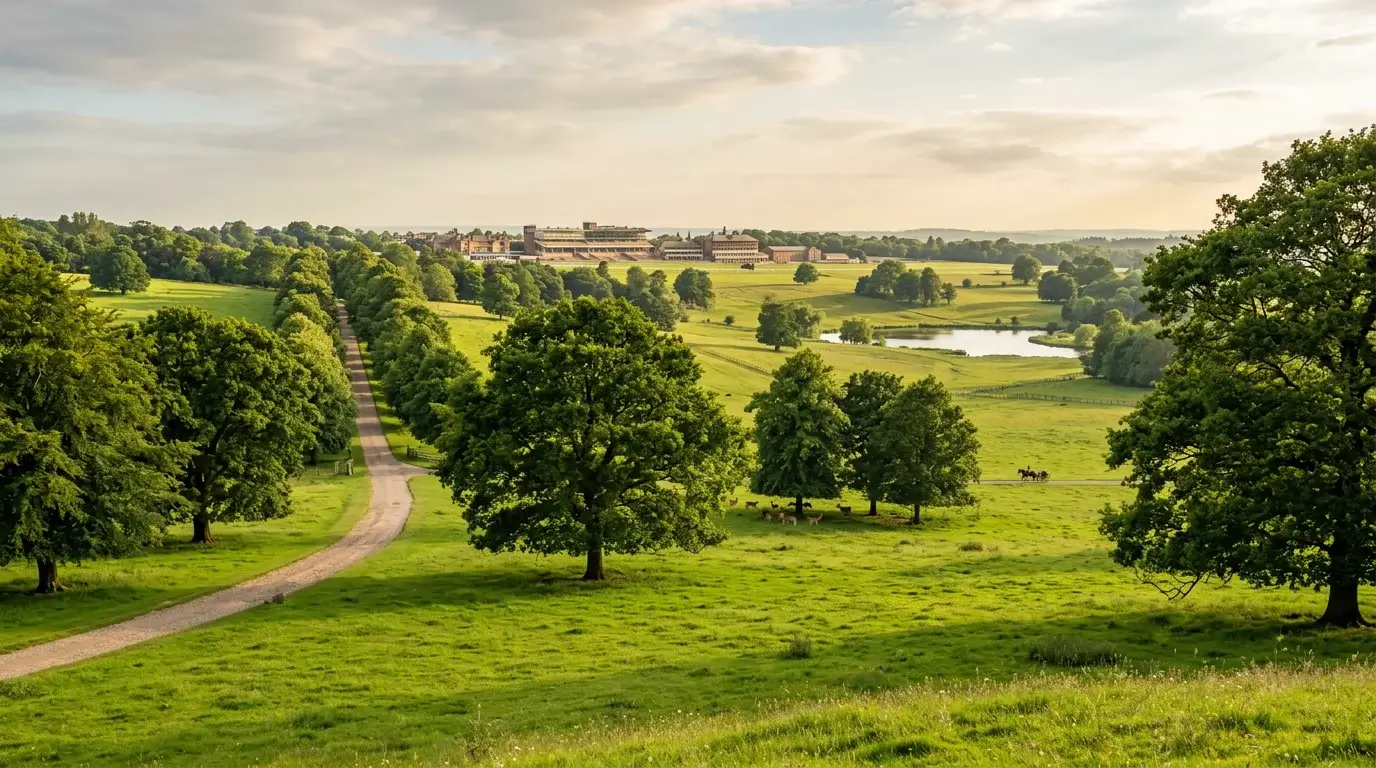
Gosforth Park encompasses far more than the racecourse bearing its name. The estate sprawling across Newcastle’s northern edge combines sporting heritage with hospitality infrastructure, green spaces with commercial development. Understanding the broader context of this parkland setting enriches any visit to the races — and reveals opportunities for those seeking more than an afternoon’s entertainment.
The name itself carries weight: High Gosforth Park, as the area was historically known, predates the racecourse by centuries. When racing arrived in 1882, it joined an established estate rather than creating one. That sequence matters for understanding how the venue relates to its surroundings — the course adapted to the landscape rather than imposing upon it.
Today’s Gosforth Park serves multiple purposes simultaneously. Racing remains central, with Newcastle’s position as Britain’s premier northern all-weather track established since Tapeta installation in 2016. But the estate also hosts a major hotel, conference facilities, golf, and acres of accessible parkland. These elements combine into something greater than a single-purpose sporting venue.
Gosforth Park — More on this topic at newcastle horse racing results.
Estate History and Development
The High Gosforth Park Company formed in 1881, acquiring the estate with intentions extending beyond racing. The original vision encompassed a sporting and leisure destination serving Newcastle’s growing population, with racing representing one attraction among several planned amenities.
Racing Arrives at Gosforth Park
Racing commenced at Gosforth Park in 1882, relocating from the previous Town Moor venue closer to Newcastle’s centre. The new location offered more space, better facilities, and scope for development that the constrained Town Moor site lacked. The Northumberland Plate — already established since 1833 — transferred to the new course, bringing prestige and tradition to the fledgling venue.
The late Victorian era saw Gosforth Park establish itself among northern racing’s premier venues. Investment in grandstands, stabling, and track infrastructure positioned Newcastle competitively against rivals at York, Doncaster, and Haydock. The estate’s scale permitted expansion impossible at tighter urban sites, a advantage that persists today.
Twentieth Century Evolution
War years brought disruption, with the estate serving military purposes during both global conflicts. Racing resumed after each interruption, though the venue required restoration to pre-war standards. The mid-century decades consolidated Newcastle’s position without dramatic transformation — steady improvement rather than revolutionary change.
The decisive modern shift came with all-weather racing. Floodlight installation enabled evening meetings; synthetic surface development created year-round capability. When Tapeta replaced the previous Fibresand surface in 2016, Newcastle gained the infrastructure for hosting elite all-weather racing — a status confirmed when the Vertem Futurity Trophy became Britain’s first Group 1 on synthetic ground in 2019.
The Estate Today
Contemporary Gosforth Park operates under Arena Racing Company ownership, part of a group controlling multiple British racecourses. Investment continues: facility upgrades, technology enhancement, and ongoing maintenance sustain the estate’s competitive position. Attendance growth exceeding 26% over the decade to 2024 suggests the strategy delivers results, with visitor numbers climbing while some rival venues struggle.
Beyond the Racecourse
Gosforth Park’s non-racing facilities serve visitors year-round, their operations continuing regardless of the racing calendar. These amenities transform the estate from occasional sporting venue into permanent destination.
The Marriott Hotel
The Marriott Hotel Gosforth Park occupies a prominent position within the estate, offering accommodation that suits race-day visitors and business travellers alike. The hotel provides over 170 rooms across various categories, from standard accommodations to suites with park views. Conference and meeting facilities attract corporate bookings throughout the week.
For racing visitors, the hotel offers obvious convenience: walk to the course rather than navigate transport, extend the day without driving concerns, and wake up ready for another meeting if consecutive fixtures align. Package deals sometimes combine accommodation with racecourse admission, though booking separately occasionally proves more economical.
Golf Course
The parkland golf course predates contemporary ownership, its layout threading between mature trees that give the estate its character. The eighteen-hole course suits recreational players and societies, with green fees positioning it as accessible rather than exclusive. Summer mornings often see golfers teeing off before the racecourse awakens for afternoon or evening meetings.
Conference and Events
Purpose-built conference facilities host business events independent of racing. The racecourse’s function rooms convert between racing hospitality and corporate meetings, their flexibility maximising utilisation across the calendar. Companies seeking venues outside central Newcastle find Gosforth Park offers easier parking and often better value than city-centre alternatives.
Wedding and celebration bookings utilise similar spaces. The parkland setting provides photographic backdrops unavailable at hotel-only venues, while catering teams accustomed to major race-day service handle private events with equivalent professionalism.
Exploring the Local Area
Gosforth Park sits within easy reach of attractions extending beyond the estate boundaries. Whether arriving early, staying late, or extending visits beyond race days, the surrounding area offers diversions worth considering.
Nearby Dining
Gosforth village, a short distance south, contains restaurants and pubs beyond the racecourse offerings. The high street provides chain and independent options across cuisines — useful for those seeking alternatives to on-course dining or requiring meals outside racing hours. Indian, Italian, and traditional British options predominate, with prices generally lower than equivalent racecourse meals.
Jesmond, slightly further toward the city centre, offers upmarket dining for those celebrating winners or seeking post-racing entertainment. The area’s bars and restaurants cater to Newcastle’s young professional population, their standards reflecting urban expectations rather than suburban convenience.
Accommodation Alternatives
Beyond the on-site Marriott, several hotels cluster near the racecourse. Budget chains offer basic accommodations at prices below the estate hotel, their appeal lying in savings for those prioritising track time over room quality. Premier Inn and Travelodge properties both operate within reasonable distance, their predictable standards suiting those familiar with the brands.
City-centre hotels suit visitors planning Newcastle exploration alongside racing. The Metro connection makes journeys manageable, though evening meetings might complicate late returns to central accommodations. Balancing location convenience against transport timing shapes optimal choices.
Newcastle Attractions
The city itself rewards exploration. The Quayside regeneration created dining and cultural venues along the Tyne. The castle keep — origin of the city’s name — provides historical context. Football’s St James’ Park dominates the skyline for those whose sporting interests extend beyond racing. A racing trip to Newcastle can expand into broader tourism for those with time and inclination.
Nature and the Parkland Setting
Gosforth Park’s estate grounds provide green space increasingly rare in urban-edge locations. The mature trees framing the racecourse — oaks, beeches, and chestnuts planted across centuries — create a setting distinct from purpose-built sporting venues lacking such heritage.
Wildlife adapts to the parkland environment. Rabbits and squirrels populate the grounds routinely; deer occasionally appear in quieter areas. Birdwatchers note varied species across seasons, the mixed habitats of woodland, grassland, and water features supporting diversity unusual for developed land.
The nature reserve adjoining the estate extends accessible green space beyond racecourse boundaries. Walking routes connect through woodlands where racing noise fades, the transition from sporting venue to natural environment occurring across mere hundreds of metres. Morning visitors sometimes combine nature walks with race attendance, the contrast between activities enriching both experiences.
Seasonal changes alter the parkland character. Spring brings flowering across the grounds; summer creates lush backdrops for outdoor hospitality; autumn colours transform the visual experience; winter racing occurs amid bare branches that reveal structural views hidden during leafy months. Regular visitors notice these shifts, the estate offering different aesthetics across the calendar.
More Than a Racecourse
Gosforth Park evolved from Victorian sporting vision into contemporary multi-purpose destination. Racing remains central — the Tapeta track, the historic fixtures, the competitive all-weather programme — but the estate’s scope extends considerably further. Hotels, golf, conferences, parkland: these elements combine into something exceeding a single-function venue.
Understanding this context enriches racing visits. The mature trees witnessed generations of finishes; the parkland absorbed celebrations and disappointments across centuries. Arriving at Newcastle means entering an estate with history and purpose beyond the day’s card. Whether staying overnight, exploring grounds, or simply appreciating the setting between races, Gosforth Park rewards attention extending beyond the winning post.
See also Newcastle vs Wolverhampton.
